We Use CookiesWe use cookies to enhance the security, performance,
functionality and for analytical and promotional activities. By continuing to browse this site you
are agreeing to our privacy policy
10 Best Karaoke Microphones
From leading brands and best sellers available on the web.

Related Products
Up to 38% off



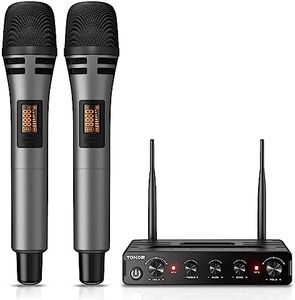
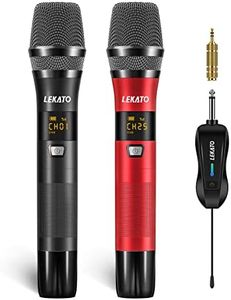
Buying Guide for the Best Karaoke Microphones
Choosing the right karaoke microphone can greatly enhance your singing experience, whether you're performing at home or in a more professional setting. The key is to find a microphone that suits your voice, the environment you'll be using it in, and any additional features you might need. Understanding the different specifications will help you make an informed decision that aligns with your needs and preferences.Microphone TypeMicrophones come in two main types: dynamic and condenser. Dynamic microphones are durable and handle high sound pressure levels well, making them ideal for live performances and louder environments. Condenser microphones are more sensitive and capture a wider range of frequencies, which is great for studio settings or quieter environments. If you plan to use your microphone in a lively, noisy setting, a dynamic microphone might be best. For home use or recording, a condenser microphone could be more suitable.
ConnectivityKaraoke microphones can be wired or wireless. Wired microphones offer a stable connection and are generally more affordable, but they limit your movement. Wireless microphones provide freedom to move around, which can enhance your performance, but they require batteries and can sometimes experience interference. Consider where and how you plan to use the microphone. If you need to move around a lot, a wireless option might be better. For stationary use, a wired microphone could suffice.
Frequency ResponseFrequency response refers to the range of sound frequencies a microphone can pick up. A wider frequency response means the microphone can capture more detail in your voice. For karaoke, a frequency response that covers the human vocal range (around 80 Hz to 15 kHz) is usually sufficient. If you have a particularly deep or high-pitched voice, you might want to look for a microphone that extends beyond this range to ensure your voice is captured accurately.
Polar PatternThe polar pattern of a microphone determines how it picks up sound from different directions. Cardioid microphones pick up sound primarily from the front, which is great for isolating your voice from background noise. Omnidirectional microphones capture sound from all directions, which can be useful in group settings. If you're singing solo and want to minimize background noise, a cardioid pattern is ideal. For group performances, an omnidirectional pattern might be more appropriate.
DurabilityDurability is an important factor, especially if you plan to use the microphone frequently or in various locations. Look for microphones with robust construction and materials that can withstand drops and rough handling. If you're using the microphone at home, durability might be less of a concern, but for travel or frequent use, a more durable model is advisable.
Additional FeaturesSome karaoke microphones come with additional features like built-in speakers, Bluetooth connectivity, or voice effects. These can enhance your karaoke experience by adding convenience and fun. Consider what features are important to you. If you want a simple setup, a microphone with a built-in speaker might be useful. For more advanced use, look for features that allow you to connect to other audio equipment or add effects to your voice.